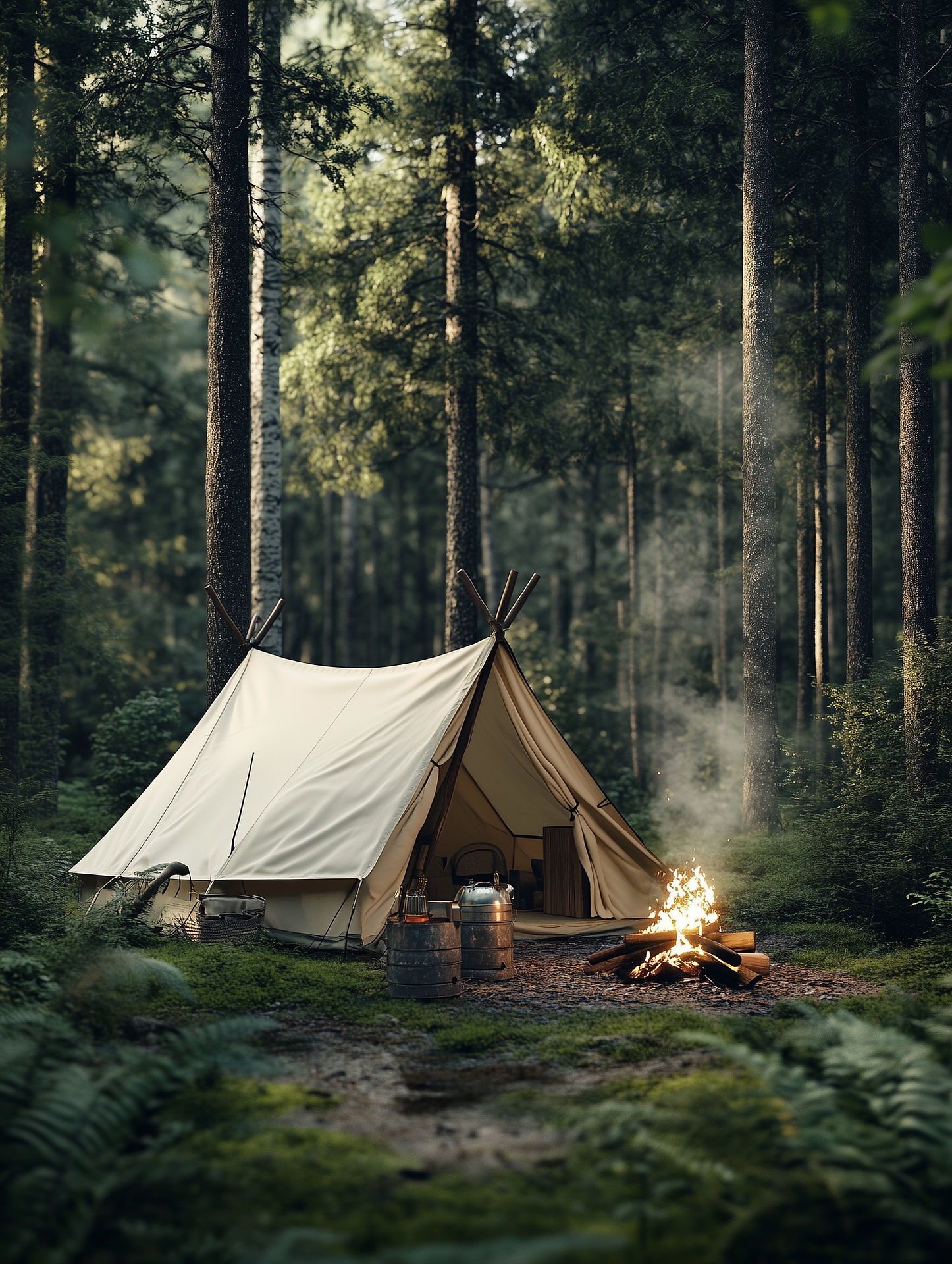

Five Essential Survival Skills Everyone Should Master for Everyday Emergencies
- shinelinecro
- Jan 4
- 3 min read

Emergencies can happen anytime, anywhere. You don’t need to be in the wilderness or face extreme conditions to need survival skills. Everyday situations like power outages, car breakdowns, or getting lost on a hike can quickly become dangerous without the right knowledge. Survival is not about having the most expensive gear or preparing for unlikely disasters. It’s about knowing what matters most, staying calm, and using simple skills to keep yourself safe.
This guide focuses on five essential survival skills that everyone should learn first. These skills apply to daily emergencies as well as outdoor adventures. Mastering them will help you stay warm, hydrated, safe, and calm when things go wrong.

Building and Using Fire
Fire is one of the most important survival tools. It provides warmth, cooks food, purifies water, offers light, and can signal for help. Knowing how to start a fire without matches or a lighter is a skill that can save your life.
Gather dry tinder and kindling such as dry leaves, small twigs, or bark.
Use friction methods like a bow drill or flint and steel if you don’t have matches.
Keep your fire small and controlled to conserve fuel and avoid accidents.
Use fire to boil water for at least one minute to kill harmful bacteria.
Firelight can also signal rescuers by creating smoke during the day or flames at night.
Practicing fire-building in a safe environment will prepare you to do it quickly and efficiently when needed.
Creating Shelter: A Core Survival Skill
Exposure to cold, wind, rain, or sun can become deadly within hours. Shelter protects your body from these elements and helps maintain your core temperature.
Use natural materials like branches, leaves, and grass to build a simple lean-to or debris hut.
If you have a tarp or emergency blanket, use it to create a windbreak or rain cover.
Position your shelter away from hazards like falling branches or flooding areas.
Insulate the ground with leaves or pine needles to reduce heat loss.
Even a small shelter can prevent hypothermia or heatstroke.
Knowing how to quickly build shelter can make a huge difference in your comfort and survival chances.

Finding and Treating Water
Water is essential. Without it, dehydration can set in within a few days. Finding safe water and treating it properly prevents serious illness.
Look for natural sources like streams, rivers, or rainwater.
Avoid stagnant water, which often contains harmful bacteria.
Boil water for at least one minute to kill pathogens.
If boiling isn’t possible, use water purification tablets or filters.
Collect rainwater using containers or plastic sheets.
Always carry a small water filter or purification method when outdoors.
Drinking untreated water can cause diarrhea, vomiting, and other illnesses that weaken your body fast.
Navigation and Signaling to Stay Found
Getting lost can cause panic, but knowing how to navigate and signal for help keeps you calm and increases your chances of rescue.
Learn to use a compass and read maps.
Use natural landmarks like rivers, mountains, or the sun’s position to orient yourself.
Mark your trail with visible signs like stacked rocks or broken branches.
Carry a whistle or mirror to signal rescuers.
Use fire or bright clothing to attract attention.
Stay put if you are seriously lost and signal your location.
Clear navigation and signaling reduce panic and help rescuers find you faster.

Basic First Aid Skills
When help is delayed, knowing basic first aid can save lives. You might be the first responder for yourself or others.
Learn how to stop bleeding using pressure and bandages.
Know how to treat burns, cuts, and insect bites.
Recognize signs of shock and how to respond.
Understand CPR basics and how to clear airways.
Keep a well-stocked first aid kit accessible.
Practice first aid skills regularly to stay confident.
Being prepared to handle injuries reduces complications and improves recovery chances.
Comments